Kibale Chimpanzee Permit Booking: $250 Fee, 3 Steps
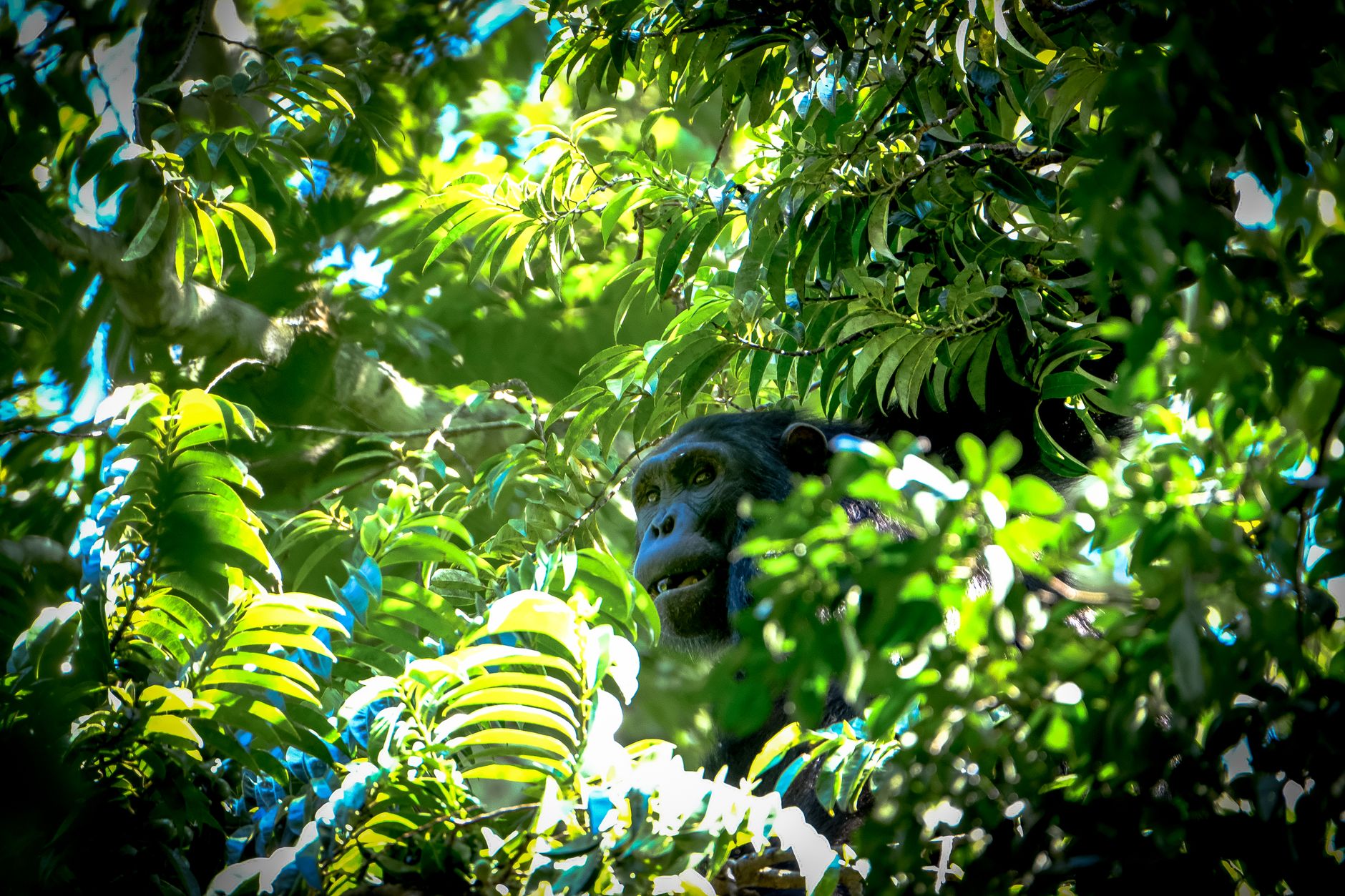
Kibale chimpanzee permit booking comes down to three things: knowing the price, understanding when permits actually release, and moving before the good slots go. Kibale National Park in western Uganda holds one of the largest habituated chimpanzee populations in Africa, and a single permit buys you roughly an hour with them in the forest. Wait too long to book and the date you want can disappear months before your trip even starts.
How Much Does a Kibale Chimpanzee Permit Cost?
A standard Kibale chimpanzee trekking permit costs $250 per person for foreign non-residents, $200 for foreign residents, and UGX 180,000 for East African citizens, set by the Uganda Wildlife Authority. The extended habituation permit costs $300 for non-residents. Both cover park entry, a ranger guide, and your time with a habituated chimpanzee community.
Every operator you talk to should quote the same base kibale chimpanzee permit cost, since UWA sets these figures directly. If a quote comes in noticeably higher, ask what the difference covers, whether it is transport, a guide fee, or something else.
| Permit type | Foreign non-resident | Foreign resident | East African citizen |
|---|---|---|---|
| Standard trekking (about 1 hour with chimps) | $250 | $200 | UGX 180,000 |
| Habituation experience (about 4 hours with chimps) | $300 | Confirm directly with UWA | Confirm directly with UWA |
How Does Kibale Chimpanzee Permit Booking Actually Work?
You can book directly through the Uganda Wildlife Authority reservations office in Kampala. Or you can go through a tour operator, who checks live availability against your travel dates and secures the permit using your passport details. Operators require payment upfront, then send a transaction receipt and digital permit to present at the Kanyanchu check-in desk before trekking.
In practice, kibale chimpanzee permit booking breaks down into three steps.
- Confirm your dates and check availability. Tell UWA or your operator the exact days you want to trek, since permits are date specific and non-transferable to another park.
- Submit passport details and pay in full. UWA requires the passport information for every trekker before it issues a permit, and payment is due before it confirms your slot.
- Receive your permit and bring a printed or digital copy. You will show this, along with your passport, at the Kanyanchu Visitor Centre briefing before you head into the forest.
For most first-time travelers, going through an established operator removes the guesswork. They already know which dates tend to sell out, and they can flag problems with your paperwork before it costs you a slot.
How Far in Advance Should You Book a Kibale Chimpanzee Trek?
Book 3-6 months ahead for the June-September or December-February dry seasons, and 2-3 months ahead for the March-May or October-November shoulder months. UWA releases most of its permit allocation around the six-month mark, and the most-requested morning slots fill within two to three weeks of that release.
This is the part most booking pages skip. UWA does not trickle permits out evenly across the year. It opens a large batch of dates roughly six months out. The 7am and 8am departure slots for that period get snapped up fast, often within a few weeks. If you are flexible on time of day, afternoon slots tend to stay available longer. If your travel dates fall during the dry season and you want a morning departure, treat the six-month mark as a deadline, not a suggestion.
This timing also matters if Kibale is one stop on a longer trip. Many travelers are pairing Kibale with a wider Uganda-Rwanda-Kenya safari itinerary, and gorilla permits in Rwanda or Bwindi run on similarly tight release schedules. Lock in the harder-to-get permits first, then build the rest of the route, including any time in Kenya, around those fixed dates.
What’s the Difference Between Standard Trekking and Habituation Permits?
Standard trekking permits, at $250, guarantee about one hour with chimpanzees after a four to five hour forest walk in groups capped at six to eight people. Habituation permits, at $300, extend that to roughly four hours alongside researchers habituating a wild community to human presence. It offers closer behavioral access, but it makes for a longer, more demanding day.
The chimpanzee habituation experience is worth the extra time and cost if you are genuinely interested in behavior, not just a sighting. You will spend the morning with researchers recording feeding, grooming, and social interactions rather than moving on once the standard viewing hour ends. It is a slower, quieter day, and it suits travelers who already have some trekking experience and don’t mind an early start followed by hours of standing and watching.
What’s Included in a Kibale Chimpanzee Permit?
A Kibale permit covers Uganda Wildlife Authority park entrance fees, an armed ranger guide, government taxes, and your allotted viewing time with chimpanzees. It does not include park transport, accommodation, meals, or gear rental, and a separate Bigodi Wetland Sanctuary walk must be booked and paid for on its own.
Budget separately for a vehicle and driver to reach Kanyanchu, since Kibale sits some distance from Uganda’s main tourist circuit and public transport options are limited. Lodges near the park can usually arrange transport if you book accommodation through them.
Can You Get a Refund If You Cancel a Chimpanzee Permit?
Kibale chimpanzee permits are non-refundable and non-transferable to a different park once purchased. UWA allows date changes only with sufficient advance written notice and subject to availability. Because refunds aren’t guaranteed, most tour operators recommend travel insurance that covers non-refundable permits before finalizing payment.
This is the clause that catches people off guard. You pay $250 or more per person months before your trip, and if a flight gets cancelled or you fall sick the week before, that money does not automatically come back. Read your policy closely, since not every travel insurance plan treats a pre-paid park permit the same way it treats a refundable hotel booking.
Is There an Age Limit for Chimpanzee Trekking in Kibale?
Kibale chimpanzee trekking has a minimum age of 12 years with no upper age limit, though fitness for a four to five hour forest walk matters more than age itself. Trekkers must keep 8-10 meters from chimpanzees, wear a mask near them, avoid trekking while sick, and stay within a group capped at six to eight people.
Families traveling with younger children should plan around this cutoff rather than hoping for an exception at the gate. For the full detail on how the rule is enforced and what alternatives exist for younger kids, see Kibale’s 12-year minimum age rule.
What Time of Year Gives the Best Chances of Seeing Chimps?
Chimpanzees live in Kibale year round, so trekking happens in every season. The dry months of June through September and December through February bring firmer forest trails and are generally considered the best time to trek Kibale, though sightings are never guaranteed since chimps move through large territories each day. Wetter months from March to May and October to November mean muddier walking but noticeably lighter permit demand.
Frequently Asked Questions
How much does a Kibale chimpanzee permit cost?
Standard chimpanzee trekking permits cost $250 per person for foreign non-residents, $200 for foreign residents, and UGX 180,000 for East African citizens. The full-day habituation experience costs $300 for non-residents. Prices are set by the Uganda Wildlife Authority and stay the same no matter which operator books them for you.
Can I book a Kibale chimpanzee permit myself, or do I need a tour operator?
You can book directly with the Uganda Wildlife Authority reservations office in Kampala, but most travelers book through a tour operator who checks live availability, handles payment, and forwards passport details on their behalf. Using an operator adds no extra fee to the permit price and is faster if you’re also arranging accommodation or transport.
How far in advance should I book a Kibale chimpanzee permit?
Book 3-6 months ahead if you’re traveling in the June-September or December-February dry seasons, since UWA releases most permits around the six-month mark and popular morning slots fill within weeks. For the March-May or October-November shoulder months, 2-3 months’ notice is usually enough.
Is there an age limit for chimpanzee trekking in Kibale?
Yes, the minimum age for chimpanzee trekking in Kibale is 12 years old, with no maximum age limit. Physical fitness matters more than age, since the trek can last four to five hours over uneven forest terrain.
What happens if I need to cancel my chimpanzee permit?
Kibale chimpanzee permits are non-refundable once purchased and cannot be transferred to a different national park. UWA may allow a date change with sufficient advance notice if availability permits, which is why most operators recommend travel insurance that covers non-refundable permits.
Ready to Plan the Rest of Your Trip?
A Kibale permit is one piece of a bigger puzzle, especially if you’re combining it with time in Kenya or elsewhere in East Africa. Once your chimpanzee dates are locked in, it’s worth comparing safari operators to see how the rest of an itinerary might fit around them, including the overall Kenya safari cost if Kenya is part of the plan. Sites like FindMySafari, Valley Safaris, and Trunktrails Safaris let you browse packages and compare operators side by side before you commit to a route.
More safari planning resources
- Best time to visit Kenya map from SafariPure
- Ol Pejeta Conservancy guide from Trunktrails Safaris
- Kenya tour packages from Valley Safaris
- Compare Kenya safari packages on FindMySafari